2025 AIA College of Fellows Component Grant Recipient
“The architecture profession thrives when it reflects the communities we serve,” is the thesis of Jeremiah Tolbert, AIA, founder and director of the AIA East Bay New World Architecture (NWA) Program. A 2025 AIA College of Fellows Component Grant recipient, the renowned NWA summer program for middle school youth scholars has also thrived, having just completed its 13th season working with Bay Area youth on the campus of the University of California, Berkeley.
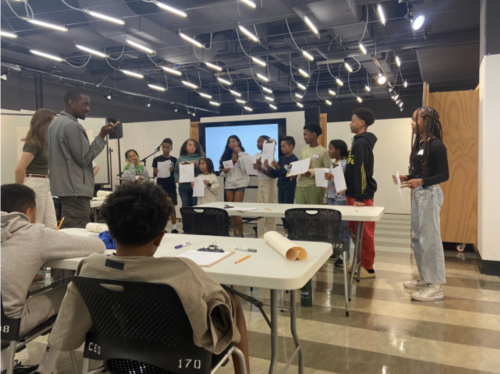
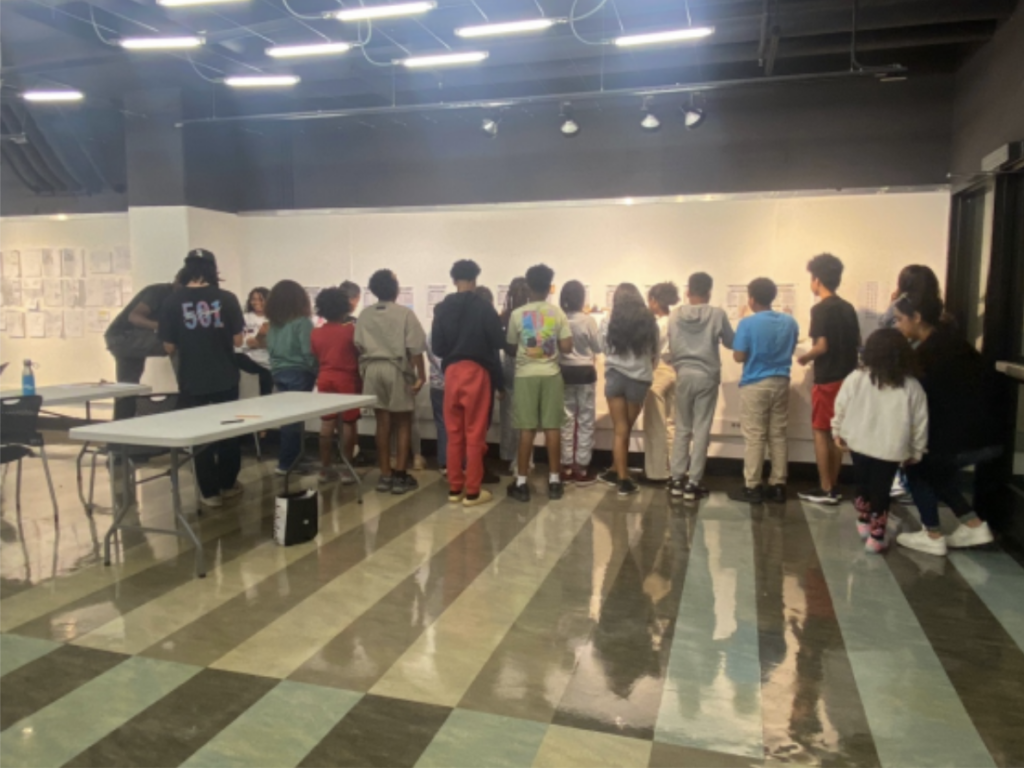
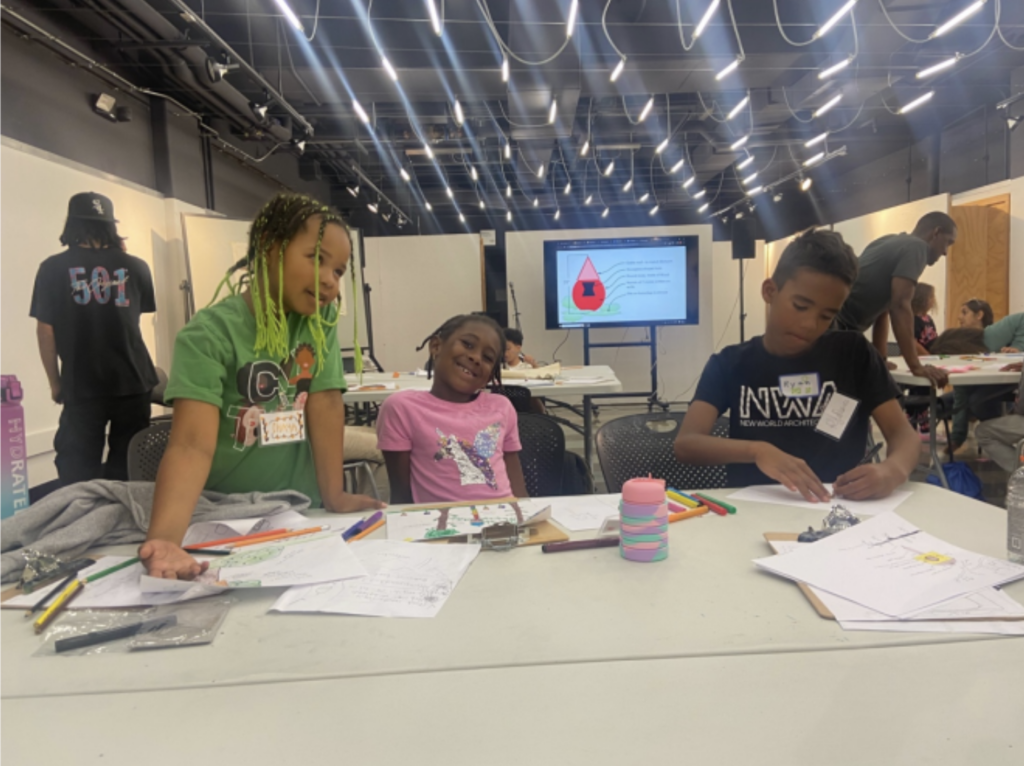
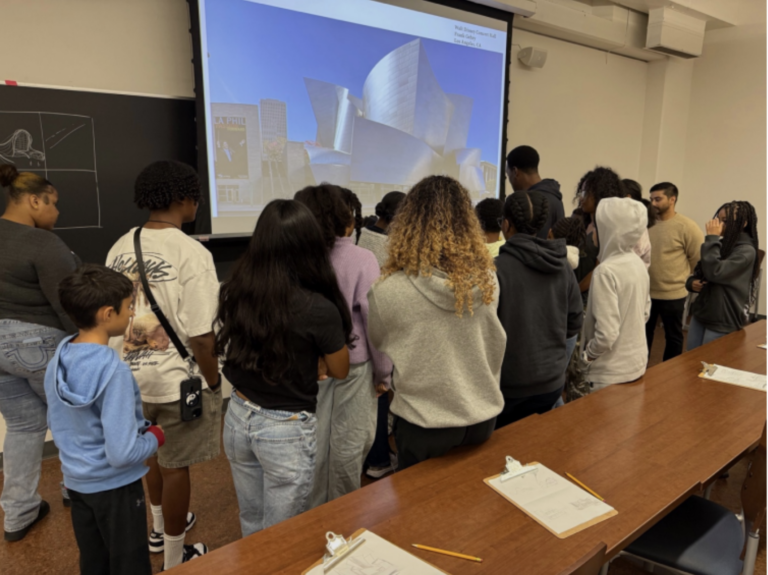
The free, dynamic, one-week long, intensive program for 20-25 local students aged 10-14 is taught entirely by diverse volunteer local architects of all backgrounds and ages as well as architecture students, faculty and local firms. Led by Jeremiah Tolbert, AIA and Cameron Toler, AIA, local small practitioners, the course provides a hands-on, immersive introduction to architecture through studio workshops, field investigations, construction site tours and then drawing and computer-based design problem solving charette. The final design presentation is a celebration with faculty, family members and guests.
AIA East Bay, located in Berkeley, has had a long commitment to expanding opportunities for young and emerging architects through programs like NWA Camp, Young Architects and Emerging Professionals Initiative, ARE Test Prep and mentorship programs in a partnership with the Construction Trades Workforce Initiative program in local high schools.
Mike Wilson, AIA East Bay Executive Director, stressed in his support of developing and submitting the grant application, that this recognition by the College of Fellows through the 2025 Component Grant underscores AIA East Bay’s leadership in fostering future generations of architects, particularly youth scholars of color, students with special needs and middle schoolers from unrepresented local communities. He noted that the programs longevity, mission and continuing success demonstrate the value of ensuring the groundwork for a thriving and more inclusive, vibrant future profession, by enabling more students, particularly from low-income backgrounds, to explore their talents and potential through design and the built environment.